
Few household issues are as immediately concerning and downright unpleasant as a leaking toilet base. That subtle puddle spreading across your bathroom floor, the faint whiff of sewer gas, or the tell-tale rocking of a seemingly unstable commode – all these signs often point to one common culprit: a compromised wax ring. While the idea of disconnecting and moving your toilet might sound daunting, replacing a wax ring on a toilet is a thoroughly manageable DIY project, requiring basic tools, a bit of patience, and the right guidance. This comprehensive guide will arm you with the knowledge and confidence to tackle this essential plumbing repair, ensuring your toilet is sealed, stable, and odor-free once again.
Understanding the Toilet Wax Ring and Why It Fails
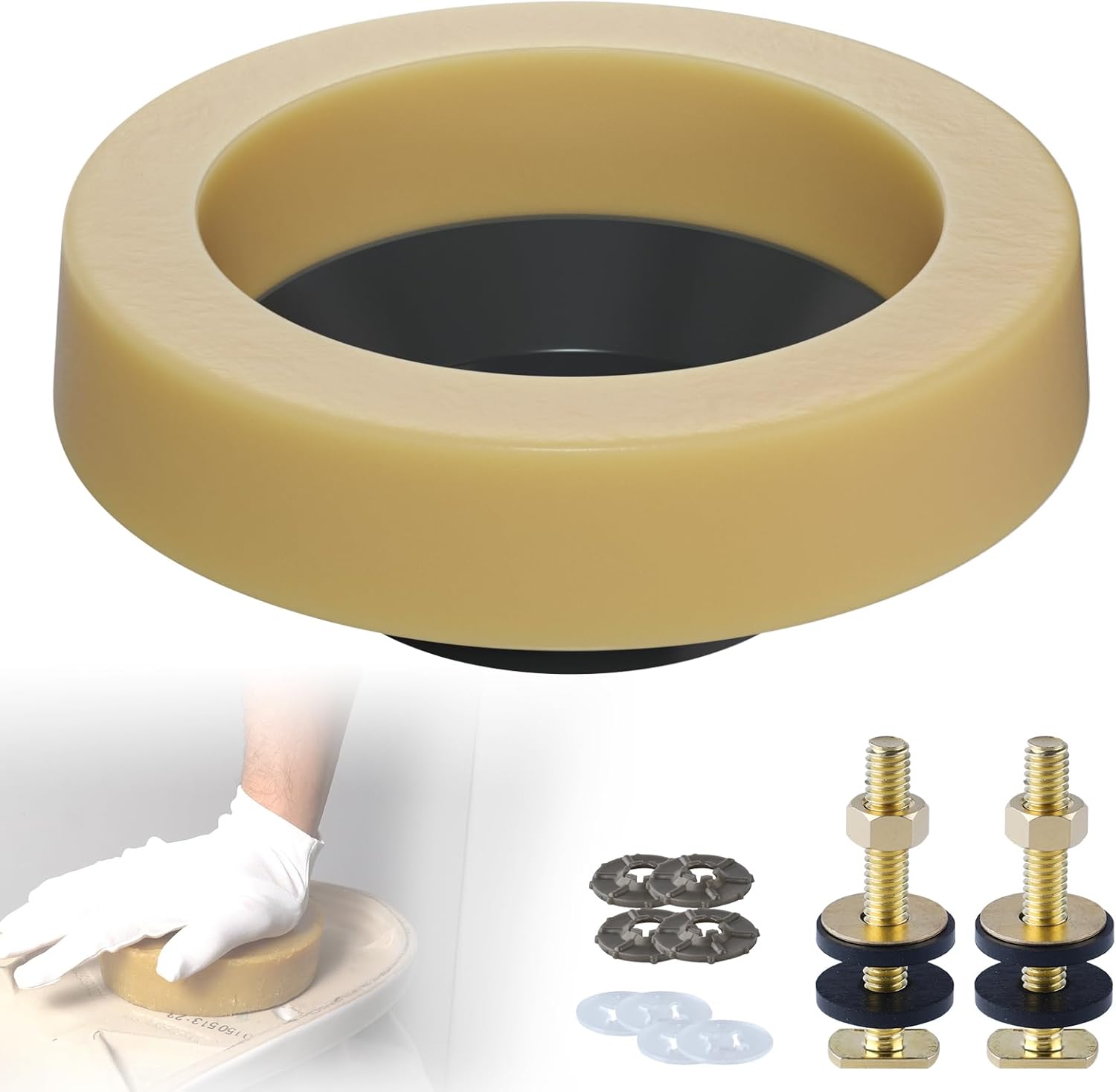
Before we dive into the repair process, it’s crucial to understand what a wax ring is, its function, and why it eventually needs replacing. The wax ring, often called a toilet seal, is a donut-shaped gasket made of petroleum wax. Its primary job is to create a watertight and airtight seal between the bottom of your toilet bowl (specifically, the horn) and the drainpipe flange on your bathroom floor. This seal prevents water from leaking out every time you flush and, equally importantly, keeps noxious sewer gases from entering your home.
Common Signs of a Failing Wax Ring
Identifying a failing wax ring early can save you from more significant water damage. Look out for these tell-tale indicators:
-
- Water Leaking at the Base: This is the most obvious sign. Even a small amount of water seeping out after flushing suggests the seal is broken.
-
- Foul Sewer Odors: If you notice an unpleasant, persistent sewer gas smell in your bathroom, especially near the toilet, it indicates that the airtight seal has failed.
-
- Rocking Toilet: An unstable toilet that rocks or wiggles when you sit on it can compromise the wax ring over time. The constant movement can break the seal.
-
- Visible Damage to the Floor: In severe cases, prolonged leaks can cause staining, warping, or deterioration of your bathroom flooring around the toilet base.
Why Do Wax Rings Fail?
While designed for durability, wax rings aren’t invincible. Several factors can contribute to their demise:
-
- Age and Compression: Over many years, the wax can dry out, lose its pliability, and become less effective. The constant compression from the toilet’s weight can also cause it to flatten out completely.
-
- Improper Installation: If the toilet wasn’t seated correctly during its initial installation, or if the wax ring was damaged upon placement, it might never have formed a perfect seal.
-
- Rocking Toilet: As mentioned, a wobbly toilet repeatedly shifting on the floor can break the seal, even a relatively new one.
-
- Flange Issues: A damaged or corroded toilet flange (the fitting on the floor where the toilet bolts attach) can prevent the wax ring from sealing properly.
-
- Excessive Plunging: Aggressive plunging to clear a clog can sometimes exert enough pressure to momentarily lift the toilet, breaking the wax seal.
Gathering Your Arsenal: Tools and Materials for Replacing a Wax Ring on a Toilet
Preparation is key to a smooth repair. Before you begin, gather all the necessary tools and materials. Having everything on hand will prevent frustrating delays once the toilet is disconnected.
Materials Needed:
-
- New Wax Ring: Choose wisely!
-
- Standard Wax Ring: Basic and effective for most situations.
-
- Extra-Thick Wax Ring: Ideal for flanges that are slightly recessed below the finished floor level.
-
- Wax Ring with Plastic Horn: Features a plastic funnel that extends into the drainpipe, offering a more forgiving target for alignment and a potentially stronger seal.
-
- Rubber/Foam Gasket (Wax-Free): A popular modern alternative. These gaskets are reusable, less messy, and can be adjusted after the toilet is set. Consider these if you’re concerned about mess or precision.
-
- New Wax Ring: Choose wisely!
-
- New Toilet Bolt Set: It’s always a good idea to replace the old bolts, nuts, and washers. They can be corroded or difficult to remove.
-
- Toilet Shims (Optional but Recommended): Small plastic wedges used to stabilize a rocking toilet if your floor isn’t perfectly level.
-
- Rags, Old Towels, or Newspaper: Essential for soaking up water and protecting your floor when the toilet is removed.
-
- Bucket: To catch any residual water from the toilet bowl and tank.
-
- Cleaner/Disinfectant: For cleaning the flange area and the toilet base.
-
- plumber‘s Putty or Silicone Caulk (Optional): For sealing the toilet base to the floor *after* successful leak testing. Do not caulk before testing for leaks, as it prevents detection.
You can view the list of items here. . . you may not need all these items so select the items that fit your situation. Handyman Services Parts List
Tools Required:
-
- Adjustable Wrench or Socket Wrench Set: For loosening and tightening the toilet bolts and water supply line.
-
- Utility Knife or Putty Knife: For scraping off the old wax ring.
-
- Sponge: For soaking up water from the toilet bowl and tank.
-
- Shop-Vac (Wet/Dry Vacuum) (Recommended): Extremely helpful for quickly removing all water from the bowl and tank.
-
- Work Gloves: For hygiene and protection.
-
- Safety Glasses: To protect your eyes.
-
- Level: To ensure the toilet is set level.
-
- Flathead Screwdriver: For prying bolt caps or scraping.
-
- Tape Measure: To check flange height if unsure about wax ring type.
Tools you will need to replace the wax ring under a toilet. You do not need to buy the most expensive tools. If you’re going to be doing your own diy projects it is a good idea to choose high quality tools produced from a reputable manufacturer. Essential Tools for replacing a wax ring.
Step-by-Step: The Process of Replacing a Toilet Wax Ring
This is where the rubber meets the road (or the wax meets the flange!). Follow these steps carefully for a successful wax ring replacement.
Step 1: Preparation and Draining the Toilet
-
- Turn Off the Water Supply: Locate the shut-off valve behind or beneath the toilet tank. Turn it clockwise until the water stops flowing.
-
- Flush the Toilet: Flush the toilet to empty the tank as much as possible. Hold the handle down to allow all water to drain.
-
- Remove Remaining Water: Use a sponge to soak up any water left in the toilet bowl and tank. A shop-vac is incredibly efficient for this task. You want the toilet to be as light and dry as possible for removal.
-
- Disconnect the Supply Line: Use an adjustable wrench to loosen the nut connecting the flexible water supply line to the bottom of the toilet tank. Have your bucket ready to catch any drips.
Step 2: Removing the Old Toilet
-
- Remove Bolt Caps: Pry off the decorative caps covering the toilet bolts at the base of the toilet. A flathead screwdriver usually works well.
-
- Unscrew Toilet Nuts: Use your adjustable wrench or socket wrench to loosen and remove the nuts securing the toilet to the floor. If they are heavily corroded, you might need to use penetrating oil or even a hacksaw to cut them.
-
- Carefully Lift the Toilet: Toilets are heavy and awkward. If possible, enlist a helper. Rock the toilet gently side-to-side to break the old seal, then carefully lift it straight up and off the bolts. Place the toilet on its side (or upside down) on a stack of old towels, cardboard, or newspaper to protect the floor and prevent ceramic damage. Ensure the toilet horn (the drain opening at the bottom) doesn’t drip onto anything valuable.
Step 3: Cleaning the Flange and Surroundings
This is a critical step for ensuring a proper seal for the *new* wax ring.
-
- Scrape Off Old Wax: Use your utility knife or putty knife to thoroughly scrape all remnants of the old wax ring from both the toilet horn and the floor flange. Leaving old wax behind can compromise the new seal.
-
- Inspect the Flange: Examine the toilet flange for any cracks, corrosion, or damage. A broken or severely corroded flange needs to be repaired or replaced before proceeding, as it’s impossible to get a good seal on a damaged flange. Flange repair kits are available at hardware stores.
-
- Clean the Floor: Wipe down the floor around the flange with your cleaner/disinfectant.
-
- Check Flange Height: Ideally, the top of the flange should be slightly above the finished floor level. If it’s recessed, you might need an extra-thick wax ring or a flange extender kit.
Pro Tip: Take this opportunity to check the integrity of your subfloor around the toilet. Any signs of water damage, rot, or softness should be addressed immediately before reinstalling the toilet.
Step 4: Installing the New Wax Ring and Bolts
-
- Install New Toilet Bolts: Insert the new toilet bolts into the slots on the toilet flange. The threaded ends should point upwards. Secure them with the washers and nuts provided, ensuring they are perpendicular to the floor and centered.
-
- Place the New Wax Ring: You have two main options for placing the wax ring:
-
- On the Flange: Carefully center the wax ring directly onto the floor flange, ensuring it adheres well. This is often preferred as it ensures the ring is perfectly aligned with the drain.
-
- On the Toilet Horn: Invert the toilet and firmly press the wax ring onto the horn opening. This can make alignment easier when lowering the toilet, but ensure it doesn’t fall off during placement.
Whichever method you choose, avoid touching or distorting the wax ring once placed, as this can affect its sealing capability.
-
- Place the New Wax Ring: You have two main options for placing the wax ring:
Step 5: Re-setting the Toilet
This step requires precision and care to achieve a perfect seal.
-
- Align and Lower: Carefully lift the toilet and align the bolt holes in its base with the new bolts protruding from the flange. Slowly and steadily lower the toilet straight down onto the bolts. Do NOT rock or twist the toilet once it makes contact with the wax ring. Lower it gently until it rests on the floor.
-
- Seat the Wax Ring: Once the toilet is in place, sit on the toilet or apply firm, even downward pressure across the bowl to compress the wax ring. This ensures a tight, watertight seal.
-
- Secure the Bolts: Place the washers and nuts onto the toilet bolts. Hand-tighten them first, then use your adjustable wrench to tighten them incrementally, alternating between bolts. Tighten just enough until the toilet is snug and doesn’t rock. Do NOT overtighten, as this can crack the toilet base or distort the wax ring, leading to leaks.
-
- Check for Stability: Gently try to rock the toilet. If it’s stable and doesn’t move, you’re good. If it still rocks slightly, insert shims under the base until it’s perfectly stable. Trim any excess shim material flush with the toilet base.
Step 6: Final Connections and Testing
-
- Reconnect Water Supply: Reattach the flexible water supply line to the toilet tank inlet. Hand-tighten, then use your wrench for a final snug quarter-turn. Do not overtighten.
-
- Turn On Water: Slowly turn the water supply valve back on, counter-clockwise. Check for any leaks at the supply line connection.
-
- Fill and Flush: Allow the toilet tank to fill completely. Once full, flush the toilet several times, observing closely for any water leaking from the base.
-
- Install Bolt Caps: Once you’re confident there are no leaks, snap the decorative bolt caps back into place.
-
- Optional Caulking: After 24 hours of successful leak-free operation, you can apply a thin bead of silicone caulk around the front and sides of the toilet base where it meets the floor. Leave the back uncaulked to allow for future leak detection.
Troubleshooting Common Issues After Replacing a Wax Ring
Even with careful execution, sometimes issues arise. Here are some common problems and their solutions:
| Issue | Probable Cause(s) | Solution(s) |
|---|---|---|
| Leak Persists at Base |
|
|
| Toilet Still Rocks |
|
|
| Foul Odor Returns |
|
|
| Water Supply Line Leaks |
|
|
Conclusion
Replacing a wax ring on a toilet is a fundamental home plumbing skill that every DIY enthusiast can master. By following these detailed steps, gathering the correct tools and materials, and approaching the task with careful attention, you can successfully address leaks, eliminate odors, and restore stability to your bathroom fixture. Not only will you save money on professional plumbing services, but you’ll also gain immense satisfaction from enhancing your home’s integrity and comfort. Take pride in your accomplishment, and enjoy a leak-free bathroom once more!
Frequently Asked Questions (FAQs)
Q1: How long does a wax ring typically last?
A well-installed wax ring can last for many years, often 20-30 years or even the lifetime of the toilet. However, factors like a rocking toilet, improper installation, or a damaged flange can significantly shorten its lifespan.
Q2: Can I reuse an old wax ring?
No, absolutely not. Wax rings are designed for a single compression. Once removed, they lose their shape and sealing integrity, making them unsuitable for reuse. Always use a new wax ring when reinstalling a toilet.
Q3: What’s the difference between a standard wax ring and a wax ring with a plastic horn?
A standard wax ring is just a donut of wax. A wax ring with a plastic horn has a plastic funnel extension that guides waste directly into the drainpipe. This horn helps ensure proper alignment and provides a slightly more robust, less permeable seal, especially useful if the toilet flange is slightly lower than the finished floor.
Q4: Should I use caulk around the base of the toilet after replacing the wax ring?
It’s generally recommended to caulk the *front and sides* of the toilet base to prevent water from splashing underneath and to make cleaning easier. However, leave the back portion uncaulked. This gap allows any future leaks from the wax ring to become visible, indicating a problem that needs addressing rather than trapping water unseen beneath the toilet.
Q5: My toilet still rocks after tightening the bolts. What should I do?
A rocking toilet often indicates an uneven floor. You should use plastic toilet shims to stabilize it. Carefully insert the shims under the toilet base where there are gaps until the toilet is level and stable. Trim any excess shim material with a utility knife.
Q6: Is it better to put the wax ring on the toilet or on the flange?
Both methods can work, but placing the wax ring directly onto the toilet flange on the floor is often preferred. This ensures the ring is perfectly centered over the drain opening, reducing the chance of misalignment when you lower the heavy toilet.
