
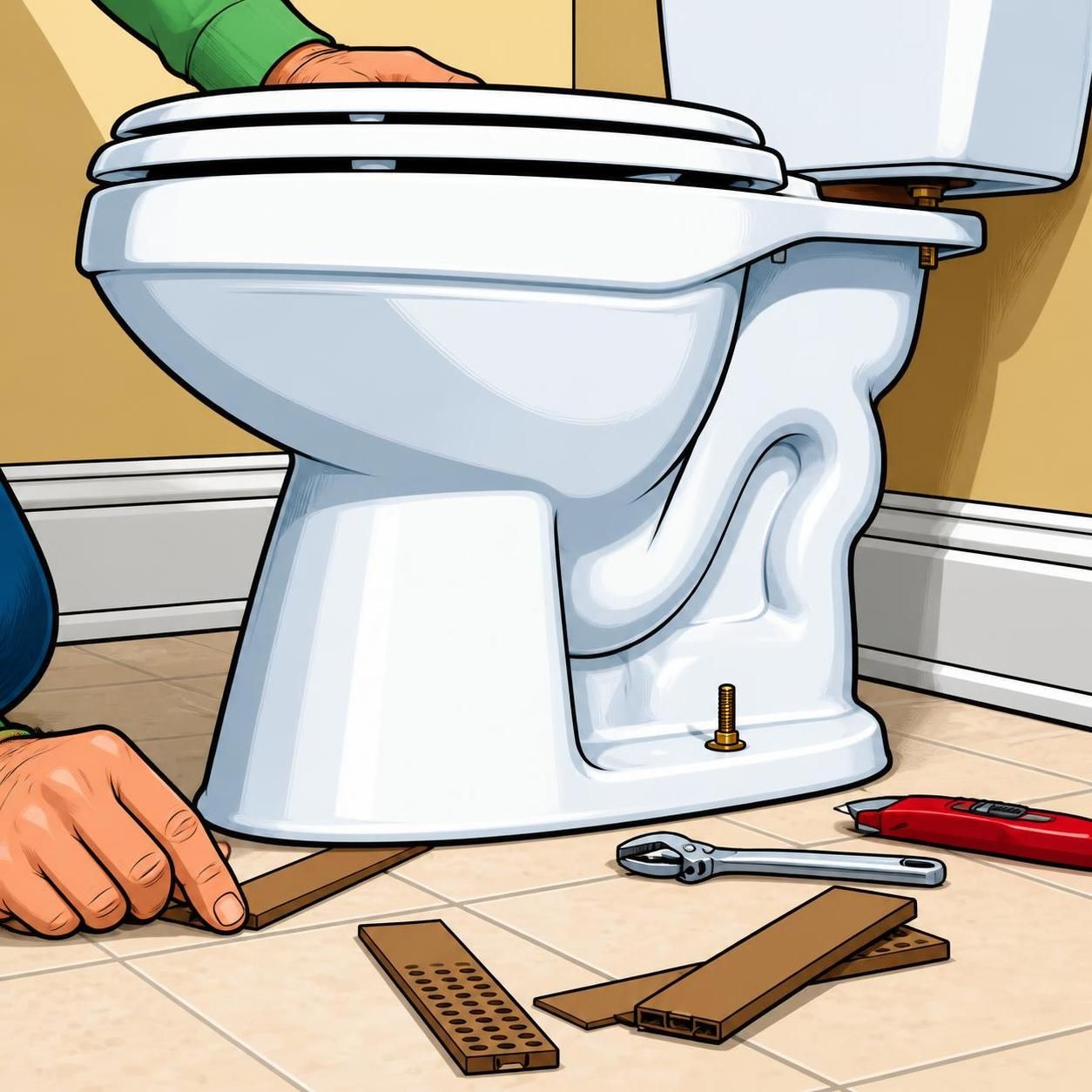
There are few household annoyances quite like a rocking or loose toilet. Beyond the minor irritation of an unstable seat, a wobbly toilet can signify deeper, more problematic issues, ranging from unpleasant odors to damaging water leaks that can compromise your bathroom floor structure. It’s a common problem in many homes, often overlooked until it becomes a significant concern. But here’s the good news: repairing a rocking or loose toilet is a highly achievable DIY project for most homeowners. This comprehensive guide will equip you with the expert knowledge and step-by-step instructions to diagnose the problem, gather the right tools, and meticulously fix your toilet, restoring stability and peace of mind to your bathroom.
Understanding the Wobble: Why Your Toilet Isn’t Standing Still
Before you dive into fixes, it’s crucial to understand why your toilet is rocking in the first place. Pinpointing the root cause will dictate your repair strategy, saving you time and effort.
Common Culprits Behind a Loose Toilet:
-
- Loose Closet Bolts: These are the bolts that anchor the toilet bowl to the floor flange. Over time, they can loosen, allowing the toilet to shift.
-
- Uneven flooring: Even a slight unevenness in your bathroom floor can cause the toilet base to sit improperly, leading to a noticeable wobble.
-
- Compromised Wax Ring: The wax ring creates a watertight seal between the toilet and the drainpipe. If it’s old, damaged, or improperly installed, it can compress unevenly or fail, causing both a wobble and potential leaks.
-
- Damaged Toilet Flange: The toilet flange (also known as a closet flange) is the pipe fitting that secures the toilet to the floor and connects it to the drainpipe. If it’s cracked, corroded, broken, or not securely fastened to the subfloor, the toilet won’t sit steadily.
-
- Cracked Toilet Base: While less common, a hairline crack in the porcelain base of the toilet itself can lead to instability. This usually requires toilet replacement.
How to Diagnose: Start by gently pushing on your toilet from different angles. Can you feel movement? Listen for any squishing sounds, which might indicate a failing wax ring and potential leak. Visually inspect the base for gaps between the toilet and the floor, or for signs of moisture. Check the plastic caps covering the closet bolts – are they intact? Wobbly but no water? It’s likely loose bolts or an uneven floor. Wobbly with water or foul odors? You’re likely dealing with a wax ring or flange issue.
The Essential Toolkit & Materials for a Steady Throne
Gathering all your supplies before you begin will make the repair process smoother and more efficient. For repairing a rocking or loose toilet, your required items will vary slightly depending on whether you’re tackling a minor adjustment or a full wax ring/flange replacement.
General Tools You’ll Need:
-
- Adjustable wrench or a socket wrench set
-
- Flathead screwdriver and/or Phillips head screwdriver
-
- Utility knife
-
- Level (a small torpedo level works well)
-
- Sponge, rags, and a bucket
-
- Shop-vac (optional, but highly recommended for water removal)
-
- Pry bar or chisel (for removing old caulk or flange debris)
-
- Gloves (latex or nitrile for hygiene, work gloves for lifting)
-
- Eye protection
Materials and Parts for Minor Adjustments:
-
- Toilet shims: Plastic or composite shims designed for toilets. Do not use wood shims as they can absorb moisture and rot.
-
- Replacement closet bolt caps (if yours are missing or broken)
Materials and Parts for Major Repairs (Wax Ring/Flange Replacement):
-
- New wax ring: Choose a standard wax ring with a horn for most applications, or an extra-thick one if your flange is slightly below floor level. Waxless alternatives are also available.
-
- New closet bolts (T-bolts), washers, and nuts: It’s always best to replace these when you’re removing the toilet.
-
- Toilet flange repair kit or metal repair ring (if your existing flange is damaged)
-
- Silicone caulk: Kitchen & bath variety, mildew resistant.
-
- Cleaners: Old rags, paper towels, floor cleaner.
Pro Tip: When purchasing a new wax ring, consider one with a plastic “horn.” This horn extends into the drainpipe, creating a more secure seal and guiding waste directly down, reducing the chances of blockages around the wax.
Diagnosing and Addressing Minor Looseness: The Quick Fixes
Sometimes, repairing a rocking or loose toilet is a straightforward task that doesn’t require removing the entire fixture. Start with these simpler solutions.
Checking and Tightening Closet Bolts
The first and easiest check is always the closet bolts at the base of your toilet. These bolts extend up from the toilet flange through holes in the toilet’s base and are secured with nuts.
-
- Remove Bolt Caps: Carefully pry off the plastic decorative caps covering the nuts at the toilet’s base.
-
- Inspect Bolts: Ensure the bolts aren’t stripped or broken. If they are, you’ll need to proceed with a wax ring/flange replacement to access and replace them.
-
- Tighten Nuts: Using your adjustable or socket wrench, gently tighten the nuts. Always tighten gradually and alternately – a quarter turn on one side, then a quarter turn on the other. Overtightening one side can crack the porcelain base of the toilet, which is an irreparable disaster.
-
- Test for Stability: After tightening, gently try to rock the toilet. If it’s still loose, proceed to the next step.
Leveling with Shims for Uneven Floors
If the closet bolts are tight but the toilet still rocks, an uneven floor is the likely culprit. This is where shims come in handy.
-
- Identify Gaps: Gently rock the toilet and observe where the gaps appear between the toilet base and the floor. This indicates the low spots.
-
- Insert Shims: Slide plastic toilet shims into the gaps. Start with thinner shims and add more as needed. You want the shims to be snug but not forcing the toilet upwards excessively.
-
- For larger gaps, you might need to use two shims, one inserted from each side of the gap, meeting in the middle.
-
- Ensure the shims are tucked in far enough that they are not visible from a distance.
-
- Insert Shims: Slide plastic toilet shims into the gaps. Start with thinner shims and add more as needed. You want the shims to be snug but not forcing the toilet upwards excessively.
-
- Check with a Level: Place your level across the top of the toilet tank and the bowl to ensure it’s sitting perfectly level. Adjust shims as necessary.
-
- Score and Snap Excess: Once the toilet is stable and level, use a utility knife to carefully score and snap off the protruding ends of the shims, making them flush with the toilet base.
-
- Re-test Stability: Give the toilet a final gentle rock to confirm it’s steady.
Tackling Major Instability: When the Wax Ring or Flange is the Culprit
If tightening bolts and shims haven’t resolved the issue, or if you suspect a leak or foul odor, it’s time for a more involved repair. This means removing the toilet to address the wax ring and potentially the flange.
Preparing for Disassembly:
-
- Turn Off Water Supply: Locate the shut-off valve behind or beneath the toilet tank and turn it clockwise until the water flow stops.
-
- Flush and Drain: Flush the toilet to empty the tank. Hold the handle down to get as much water out of the bowl as possible.
-
- Remove Remaining Water: Use a sponge and bucket to soak up any residual water in the tank and bowl. A shop-vac makes this much easier.
-
- Disconnect Supply Line: Use your adjustable wrench to disconnect the water supply line from the bottom of the toilet tank. Be prepared for a small amount of water to leak out, so have a rag and small bucket ready.
-
- Remove Closet Bolt Nuts: Use your wrench to remove the nuts from the closet bolts at the toilet’s base. If they are corroded, you may need a hacksaw or bolt cutter to remove them.
-
- Carefully Lift and Remove Toilet: This is a two-person job for safety and ease. Toilets are heavy and awkward. Grasp the toilet bowl on both sides, lift straight up, and carefully set it aside on old towels or cardboard. Ideally, set it on a protected surface in a location where it won’t be easily tripped over, such as an old blanket in a bathtub or shower stall.
Inspecting and Repairing the Toilet Flange
With the toilet removed, you’ll see the toilet flange. This is a critical component for both stability and sealing.
-
- Clean Old Wax: Use a putty knife or scraper to remove all traces of the old wax ring from the flange and the bottom of the toilet. This is essential for a proper new seal.
-
- Inspect Flange Condition:
-
- Cracked or Broken: If the flange is cracked, broken, or parts are missing, it needs repair.
-
- Corroded: Metal flanges can corrode, especially if exposed to water.
-
- Loose: The flange should be securely screwed or bolted to the subfloor. If it wiggles, tighten existing screws or add new ones.
-
- Height: The top of the flange should be level with or slightly above the finished bathroom floor. If it’s too low (below the floor), you’ll need a flange extender or an extra-thick wax ring.
-
- Inspect Flange Condition:
-
- Repairing the Flange:
-
- Minor Cracks/Missing Pieces: A metal repair ring (also called a “flange repair plate”) can often be screwed over the existing flange to provide a new, solid surface for the closet bolts.
-
- Severely Damaged Flange: If the damage is extensive, you may need to cut out the old flange and install a new one, which can involve more advanced plumbing skills. For most DIYers, a repair ring is the go-to solution.
-
- Repairing the Flange:
Replacing the Wax Ring
Once the flange is secure and clean, it’s time for the new wax ring.
-
- Position the New Wax Ring: Place the new wax ring directly onto the toilet flange, ensuring the plastic horn (if present) points down into the drainpipe. Alternatively, some prefer to press the wax ring onto the underside of the toilet bowl’s drain opening. Either method works; consistency is key.
-
- Install New Closet Bolts: Insert the new closet bolts into the slots in the flange. Ensure they are perpendicular to the wall and spaced correctly to align with the bolt holes in the toilet base.
-
- Carefully Set the Toilet: With a helper, carefully lift the toilet and align its bolt holes directly over the new closet bolts. Lower the toilet straight down onto the wax ring and flange.
-
- Do not rock or twist the toilet once it touches the wax ring. This can compromise the seal.
-
- Apply firm, even downward pressure across the toilet bowl to compress the wax ring evenly. You may hear a slight squishing sound.
-
- Carefully Set the Toilet: With a helper, carefully lift the toilet and align its bolt holes directly over the new closet bolts. Lower the toilet straight down onto the wax ring and flange.
-
- Secure the Toilet: Place the washers and nuts onto the closet bolts. Hand-tighten them first, then use your wrench to tighten them gradually and alternately, just like before. Again, prevent over-tightening. The toilet should feel secure, but not strained.
The Finishing Touches: Securing Your Toilet and Preventing Future Wobbles
You’re almost there! With the toilet firmly in place, it’s time for the final steps to ensure a leak-free and stable installation.
Reconnecting and Testing for Leaks
-
- Reconnect Water Supply: Reattach the water supply line to the toilet tank, hand-tightening first, then a quarter-turn with the wrench. Do not overtighten.
-
- Turn On Water: Slowly open the shut-off valve behind the toilet. Allow the tank to fill.
-
- Flush Multiple Times: Flush the toilet several times, observing carefully around the base of the toilet, the supply line connection, and the tank bolt connections for any signs of leaks. Check for drips or puddles.
-
- Address Any Leaks: If you find a leak, turn off the water, dry the area, and re-tighten the connection or bolt where the leak is occurring. If the leak is from the base, you may need to re-seat the toilet, which means a new wax ring.
Sealing the Base with Caulk (Optional but Recommended)
Caulking around the base of the toilet is a debated topic, but generally recommended for several reasons:
-
- Adds Stability: A bead of caulk can provide an extra layer of stability, especially if there were minor floor inconsistencies.
-
- Hygiene: It prevents water, dirt, and urine from seeping under the toilet, creating unsanitary conditions and potential odors.
-
- Pest Prevention: It seals off entry points for small insects.
The Caveat: Some plumbers argue against caulking the entire perimeter, suggesting that a gap in the back allows early detection of a wax ring failure. Our recommendation is a compromise:
-
- Apply Caulk: Apply a clean, continuous bead of mildew-resistant silicone caulk around the front and sides of the toilet base, where it meets the floor.
-
- Leave a Gap: Intentionally leave a small, uncaulked gap (about 1-2 inches) at the very back of the toilet base, facing the wall. This allows any future leaks from a failing wax ring to become visible on the floor, rather than being trapped and causing hidden subfloor damage.
-
- Smooth the Bead: Wet your finger or use a caulking tool to smooth the caulk bead for a professional finish. Wipe away any excess immediately with a damp cloth.
-
- Allow to Cure: Let the caulk cure according to the manufacturer’s instructions before heavy use, typically 12-24 hours.
Final Adjustments and Bolt Caps
Once the caulk is dry and you’ve confirmed no leaks:
-
- Give the toilet one last gentle push to ensure it’s still solid.
-
- Snap the decorative plastic caps back over the closet bolt nuts.
Conclusion
Repairing a rocking or loose toilet might seem daunting at first, but with a methodical approach and the right tools, it’s a perfectly manageable DIY project. By understanding the potential causes, meticulously diagnosing the problem, and following these detailed steps, you can restore stability, prevent costly water damage, and eliminate that annoying wobble. Not only will you enjoy a more secure and hygienic bathroom, but you’ll also gain immense satisfaction from tackling a common household issue with confidence and expertise. Enjoy the solid footing and peace of mind that comes with a job well done!
Frequently Asked Questions (FAQs)
- How often should a toilet wax ring be replaced?
- A wax ring typically lasts for many years, often the lifetime of the toilet, unless the toilet is removed or it experiences movement that breaks the seal. You should replace it whenever the toilet is removed for any reason or if you detect a leak or persistent sewer gas smell coming from the base of the toilet.
- Can I reuse toilet shims?
- While technically possible if they’re in good condition, it’s generally best practice to use new, clean shims designed for plumbing applications. Wood shims should never be reused as they can absorb moisture and rot, leading to future instability and potential mold issues.
- What if my toilet flange is broken below the floor level?
- If your toilet flange is significantly below the finished floor, you have a few options: you can use an extra-thick wax ring, add a flange extender kit (a spacer that raises the height of the flange), or, in more severe cases, replace the entire flange with one that sits at the correct height.
- Is it okay to caulk all the way around the toilet base?
- While some homeowners caulk the entire perimeter for a seamless look, it’s often recommended to leave a small, uncaulked gap at the very back of the toilet. This allows any potential leaks from a failing wax ring to become visible on the floor, alerting you to the problem before hidden water damage occurs to your subfloor.
- Do I need a helper to lift the toilet?
- Yes, absolutely. Toilets are heavy, awkward, and made of fragile porcelain. Attempting to lift and move a toilet by yourself significantly increases the risk of injury to yourself or damaging the toilet. Always enlist a helper for this step.
