
That incessant hiss or gurgle from your toilet isn’t just an annoyance; it’s a silent drain on your wallet and a tell-tale sign of wasted water. A running toilet can notoriously increase your water bill by hundreds of gallons a day, leading to significant expenses and environmental impact. But before you panic and dial a plumber, understand this: fixing a running toilet is one of the most common and accessible DIY plumbing repairs you can undertake. With the right knowledge, tools, and a bit of patience, you can quiet that commode and restore peace (and savings) to your home. This comprehensive guide, crafted by an industry authority, will walk you through every step, empowering you to tackle this common household issue with confidence.
Understanding Your Toilet’s Anatomy: The Culprits Behind a Running Toilet
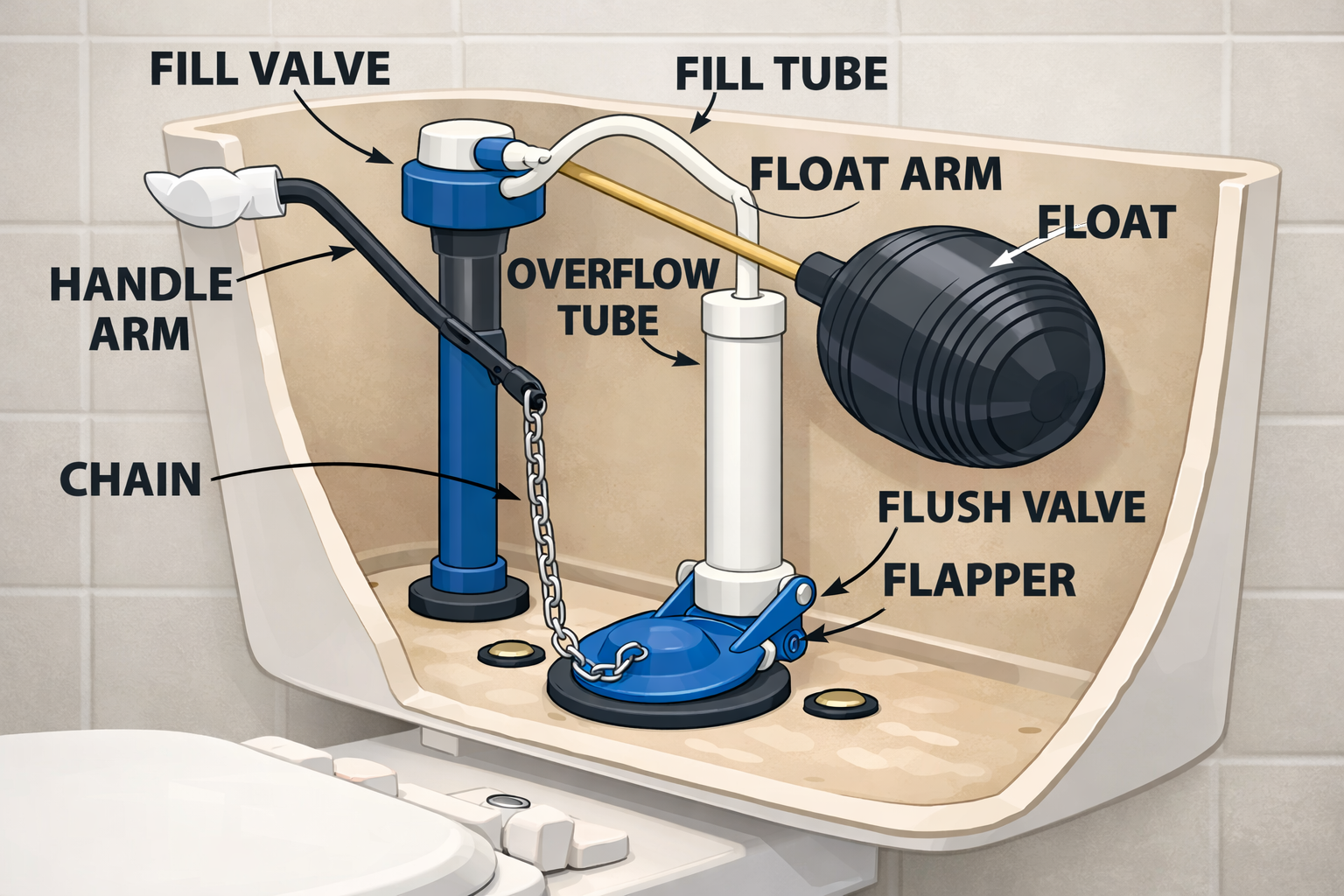
To effectively address a running toilet, you first need to understand the basic mechanics within its tank. Most modern toilets operate on a gravity-flush system, involving several key components working in concert. When any one of these parts falters, a running toilet is often the result.
The Flapper Valve: A Common Offender
At the bottom of your toilet tank, where the water drains into the bowl, you’ll find the flapper valve. This rubber or plastic seal lifts to allow water to flush and then falls back into place, creating a watertight seal that holds water in the tank until the next flush. Over time, flappers can become stiff, cracked, warped, or accumulate mineral deposits, preventing a proper seal and allowing water to continuously seep into the bowl.
The Fill Valve: The Heart of the Flush
The fill valve (often called the ballcock assembly in older toilets) is responsible for refilling the tank after each flush. It’s connected to the water supply line and features a float mechanism that rises with the water level. Once the water reaches a predetermined height, the float signals the fill valve to shut off the water supply. If the fill valve is faulty, miscalibrated, or damaged, it might not shut off completely, leading to constant refilling and overflow into the toilet’s overflow tube.
The Float Mechanism: Water Level Regulator
Whether it’s an older ballcock with a large floating ball or a newer cylinder-style float on the fill valve shaft, the float’s job is to measure the water level in the tank. If the float is set too high, too low, or is obstructed, it can cause the fill valve to either overfill the tank (water spilling into the overflow tube) or constantly try to fill it, even when full.
The Refill Tube: A Small but Mighty Component
A small, flexible tube connects the fill valve to the overflow tube. Its purpose is to direct a small stream of water into the toilet bowl during the tank refill cycle. This ensures the bowl refills to its proper standing water level. If this tube is inserted too far down the overflow tube or is detached, it can sometimes contribute to a running toilet by siphoning water or causing improper fill levels.
The Tank-to-Bowl Gasket: A Less Common Culprit
While less common for a “running toilet” in the traditional sense (where water constantly enters the bowl), a faulty tank-to-bowl gasket or loose tank bolts can cause water to leak from the tank, sometimes externally or internally, leading to the fill valve constantly trying to replenish lost water. This often manifests as visible leaks around the base of the tank.
Essential Tools & Materials for Fixing a Running Toilet
Before you dive into the repair, gather your arsenal. Having these items on hand will make the job much smoother.
Tools Needed:
-
- Sponge or Towel: For soaking up spills and drying surfaces.
-
- Bucket: To catch water when disconnecting lines.
-
- Pliers (Channel Locks or Adjustable Wrench): For loosening and tightening nuts on the water supply line and fill valve.
-
- Screwdriver (Phillips and/or Flathead): May be needed for some fill valve adjustments or tank bolt removal.
-
- Scissors or Wire Cutters: For adjusting the flapper chain length.
-
- Dye Tablets or Food Coloring: Essential for diagnosing leaks.
-
- Work Gloves: For hygiene and grip.
-
- Small Mirror (Optional): Useful for inspecting hard-to-see areas.
Common Replacement Parts (Have on hand or purchase after diagnosis):
-
- Universal Flapper Valve: Ensure it matches your toilet’s flush type (e.g., 2-inch or 3-inch, specific brand compatibility).
-
- Toilet Fill Valve Assembly: Universal kits are widely available and include the float and refill tube.
-
- New Flapper Chain: Often comes with a new flapper.
-
- Toilet Tank-to-Bowl Gasket Kit: Includes the gasket and new tank bolts/washers (if a tank leak is suspected).
-
- Water Supply Line: If yours is old or corroded, a new flexible line might be a wise preventative replacement.
Step-by-Step Troubleshooting and Repairs: Fixing a Running Toilet
The key to efficient repair is accurate diagnosis. Follow these steps methodically to pinpoint and fix the problem.
Step 1: The Dye Test – Diagnosing the Leak
This is your starting point for any running toilet. It quickly tells you if water is leaking from the tank into the bowl without flushing.
-
- Remove the tank lid and set it aside carefully.
-
- Add several drops of dark food coloring or a dye tablet to the water in the toilet tank.
-
- Wait 15-20 minutes without flushing the toilet.
-
- Check the toilet bowl: If you see colored water appearing in the bowl, you have a leak. This almost always indicates a faulty flapper valve. If the water in the bowl remains clear, the flapper is likely sealing correctly, and the issue probably lies with the fill valve.
Pro Tip: Always perform the dye test first. It saves time and prevents unnecessary repairs.
Step 2: Adjusting the Flapper Chain
If the dye test indicated a flapper leak, sometimes the problem isn’t the flapper itself but its chain.
-
- Materials needed: None, or scissors/wire cutters if adjustment is needed.
-
- Procedure:
-
- Observe the flapper chain. It should have only about 1/2 to 1 inch of slack when the flapper is closed.
-
- If the chain is too short, it prevents the flapper from fully closing and sealing. If it’s too long, it can get caught under the flapper, preventing a seal, or not lift the flapper sufficiently during a flush.
-
- Adjust the chain length by moving the clip to a different link. Trim any excess chain if it’s excessively long.
-
- Flush the toilet to test. Listen for the running to stop.
-
- Procedure:
Step 3: Replacing the Flapper Valve
If adjusting the chain doesn’t solve the leak (or if the flapper is visibly damaged, stiff, or warped), it’s time for a replacement.
-
- Materials needed: New universal flapper valve.
-
- Procedure:
-
- Turn off the water supply: Locate the shut-off valve on the wall behind or near the base of the toilet and turn it clockwise until the water stops.
-
- Flush the toilet: Hold the handle down to empty most of the water from the tank. You might need to use a sponge or towel to soak up any remaining water.
-
- Remove the old flapper: Disconnect the chain from the flush lever. Gently unhook the flapper’s “ears” or hinges from the pegs on the overflow tube at the base of the tank.
-
- Install the new flapper: Hook the new flapper’s ears onto the pegs. Connect the new chain to the flush lever, ensuring proper slack (1/2 to 1 inch).
-
- Turn on the water supply: Turn the shut-off valve counter-clockwise. Let the tank refill.
-
- Test: Flush the toilet several times. Listen for the running to stop. Perform the dye test again to confirm a proper seal.
-
- Procedure:
Step 4: Adjusting the Fill Valve and Float
If the dye test showed no flapper leak, the issue is likely with the fill valve, specifically how the float is set. This often causes water to continuously overflow into the overflow tube.
-
- Materials needed: None, or possibly a screwdriver.
-
- Procedure:
-
- Observe the water level: Lift the tank lid and watch the water level as the tank fills. The water level should stop approximately 1 inch below the top of the overflow tube. If it goes higher, water will constantly spill into the overflow tube, causing the fill valve to run continuously.
-
- Adjust the float:
-
- For older ballcock assemblies (with a float ball): Gently bend the float arm downwards to lower the water level, or upwards to raise it.
-
- For newer cylinder-style fill valves: There’s usually an adjustment screw or a clip on the float mechanism. Push down or twist the adjustment clip to lower the float, or pull it up to raise it. Consult the diagram on your specific fill valve if unsure.
-
- Adjust the float:
-
- Flush and test: Flush the toilet and observe the new water level. Adjust as necessary until the water stops about 1 inch below the overflow tube.
-
- Procedure:
Step 5: Replacing the Fill Valve Assembly
If adjusting the float doesn’t work, or if the fill valve is old, constantly hissing, or visibly faulty, replacing the entire fill valve assembly is the next step. This is a common and highly effective fix for persistent running toilet issues.
-
- Materials needed: New universal toilet fill valve assembly (comes with float and refill tube).
-
- Procedure:
-
- Turn off the water supply to the toilet.
-
- Flush the toilet and hold the handle down to drain as much water as possible. Use a sponge to remove remaining water.
-
- Disconnect the water supply line: Place a bucket underneath the toilet’s water supply connection. Use pliers or an adjustable wrench to loosen the nut connecting the flexible water supply line to the underside of the toilet tank. Have a towel ready for any drips.
-
- Remove the old fill valve: Inside the tank, locate the large locknut on the underside of the tank that secures the fill valve. Loosen and remove this locknut (you may need channel locks or a basin wrench). Once the locknut is off, lift the old fill valve out of the tank.
-
- Install the new fill valve: Insert the new fill valve into the hole at the bottom of the tank, ensuring the rubber washer is on the inside of the tank.
-
- Secure the new fill valve: From the underside of the tank, hand-tighten the new locknut onto the fill valve shank. Then, use pliers or an adjustable wrench to tighten it an additional quarter turn – do not overtighten, as this can crack the tank.
-
- Connect the refill tube: Attach one end of the small flexible refill tube to the nipple on the new fill valve and clip the other end to the top of the overflow tube. Ensure it’s not inserted too far down the overflow tube.
-
- Reconnect the water supply line: Hand-tighten the water supply line onto the bottom of the new fill valve, then use pliers or a wrench to snug it up a quarter turn.
-
- Turn on the water supply: Slowly turn the shut-off valve counter-clockwise. Check for leaks around the new connections.
-
- Adjust the float and test: Let the tank fill, then adjust the float mechanism as described in Step 4 to achieve the correct water level (1 inch below the overflow tube). Flush several times to ensure proper operation and that the running stops.
-
- Procedure:
Step 6: Checking and Replacing the Refill Tube
While often addressed during a fill valve replacement, a misaligned or damaged refill tube can also cause issues. If the tube is inserted too far into the overflow pipe, it can create a siphoning effect, constantly draining a small amount of water from the tank.
-
- Materials needed: None, or a new refill tube (usually comes with a new fill valve).
-
- Procedure:
-
- Ensure the refill tube is securely attached to the fill valve.
-
- Ensure the other end of the tube is clipped onto the top of the overflow pipe, directing water into it, but not submerged more than about half an inch inside the pipe.
-
- If the tube is cracked or damaged, replace it.
-
- Procedure:
Step 7: Addressing a Leaky Tank-to-Bowl Gasket (Advanced)
If you’ve noticed water leaking from between the toilet tank and the bowl (sometimes appearing as a running toilet because the fill valve constantly tries to replenish the lost water), the tank-to-bowl gasket or the tank bolts might be the problem. This is a more involved repair.
-
- Materials needed: Toilet tank-to-bowl gasket kit (includes gasket and bolts/washers).
-
- Procedure:
-
- Turn off water supply and drain tank: As in previous steps, shut off water and flush to empty the tank.
-
- Disconnect water supply line: Disconnect the flexible supply line from the bottom of the tank.
-
- Remove tank bolts: From underneath the bowl, use a screwdriver to hold the bolt heads inside the tank while using pliers or a wrench to loosen and remove the nuts securing the tank to the bowl.
-
- Lift off the tank: Carefully lift the entire toilet tank off the bowl and set it on a protected surface (like an old towel) upside down.
-
- Remove old gasket and bolts: Peel off the old rubber gasket and remove the old tank bolts and washers.
-
- Install new gasket and bolts: Place the new tank-to-bowl gasket over the large opening on the bottom of the tank. Insert the new tank bolts with their rubber washers through the bolt holes from inside the tank.
-
- Re-seat the tank: Carefully lower the tank back onto the bowl, aligning the bolts with the holes in the bowl.
-
- Secure the tank: From underneath the bowl, install the washers and nuts onto the tank bolts. Tighten them evenly and alternately, a little at a time, to ensure the tank sits level and the gasket compresses properly. Do not overtighten, as this can crack the porcelain.
-
- Reconnect water supply and test: Reconnect the water supply line, turn on the water, and check thoroughly for any leaks. Flush several times.
-
- Procedure:
Pro Tips & Maintenance for a Quiet Commode
-
- Regular Inspection: Every few months, lift your tank lid and visually inspect the components. Look for cracks in the flapper, mineral buildup, or corrosion.
-
- Clean Regularly: Mineral deposits and mildew can interfere with a proper flapper seal. A non-abrasive toilet bowl cleaner (or even white vinegar) used carefully in the tank can help.
-
- Avoid Drop-in Cleaners: While convenient, drop-in tank tablets (especially those with bleach) can corrode rubber parts like flappers and gaskets over time, leading to leaks.
-
- Listen: Pay attention to any unusual sounds from your toilet – hissing, trickling, or intermittent refills are early warning signs.
-
- Consider Upgrades: If your toilet is very old and frequently running, or if parts are hard to find, consider replacing the entire toilet with a high-efficiency model. It can save a significant amount of water and money in the long run.
Conclusion
Fixing a running toilet is a straightforward task that yields immediate and tangible benefits: quieter bathrooms, lower water bills, and a reduced environmental footprint. By understanding your toilet’s internal workings and following these systematic steps, you’ve gained the confidence and skills to diagnose and resolve most common toilet issues. Don’t let a simple drip turn into a costly problem. Empower yourself with these DIY solutions and keep your home’s plumbing running smoothly.
Ready to tackle your next home improvement challenge? Explore more of our expert DIY guides and build your confidence one project at a time!
FAQs About Fixing a Running Toilet
Q1: How much water does a running toilet waste?
A continuously running toilet can waste anywhere from tens to hundreds of gallons of water per day, depending on the severity of the leak. Even a small, inaudible leak can add up to thousands of gallons per month, significantly impacting your water bill.
Q2: Why does my toilet run intermittently?
An intermittent running toilet often indicates a slow leak that’s just barely enough to trigger the fill valve to kick on every so often to top off the tank. This is almost always a faulty flapper valve that isn’t creating a perfect seal. Use the dye test to confirm this.
Q3: Can a running toilet cause other plumbing problems?
While typically not causing catastrophic plumbing failures, a constantly running toilet puts unnecessary stress on your home’s water pressure system and the fill valve itself, potentially shortening its lifespan. It can also lead to mineral buildup in the bowl from the constant water flow, making cleaning more difficult.
Q4: My toilet makes a hissing noise even after it fills. What’s wrong?
A persistent hissing noise after the tank fills usually points to a faulty fill valve. This means the valve isn’t completely shutting off the water supply, allowing a small amount of water to continuously flow, often into the overflow tube. Adjusting or replacing the fill valve (as per Step 4 and 5) is the solution.
Q5: How do I know what size flapper to buy?
Most toilets use either a 2-inch or 3-inch flapper. The size refers to the diameter of the drain opening at the bottom of the tank. The easiest way to determine the size is to measure the opening or, even better, take your old flapper with you to the hardware store to match it. Universal flappers are often designed to fit both sizes with some adjustment.
Q6: When should I call a professional plumber?
While most running toilet issues are DIY-friendly, consider calling a professional if:
-
- You’ve followed all the troubleshooting steps and the toilet still runs.
-
- You encounter complex issues like persistent leaks at the base of the toilet (wax ring issue) or problems with the main water supply line.
-
- You’re uncomfortable working with plumbing or lack the necessary tools.
-
- The toilet is very old, and parts are difficult to find, suggesting a full replacement might be more cost-effective.
