
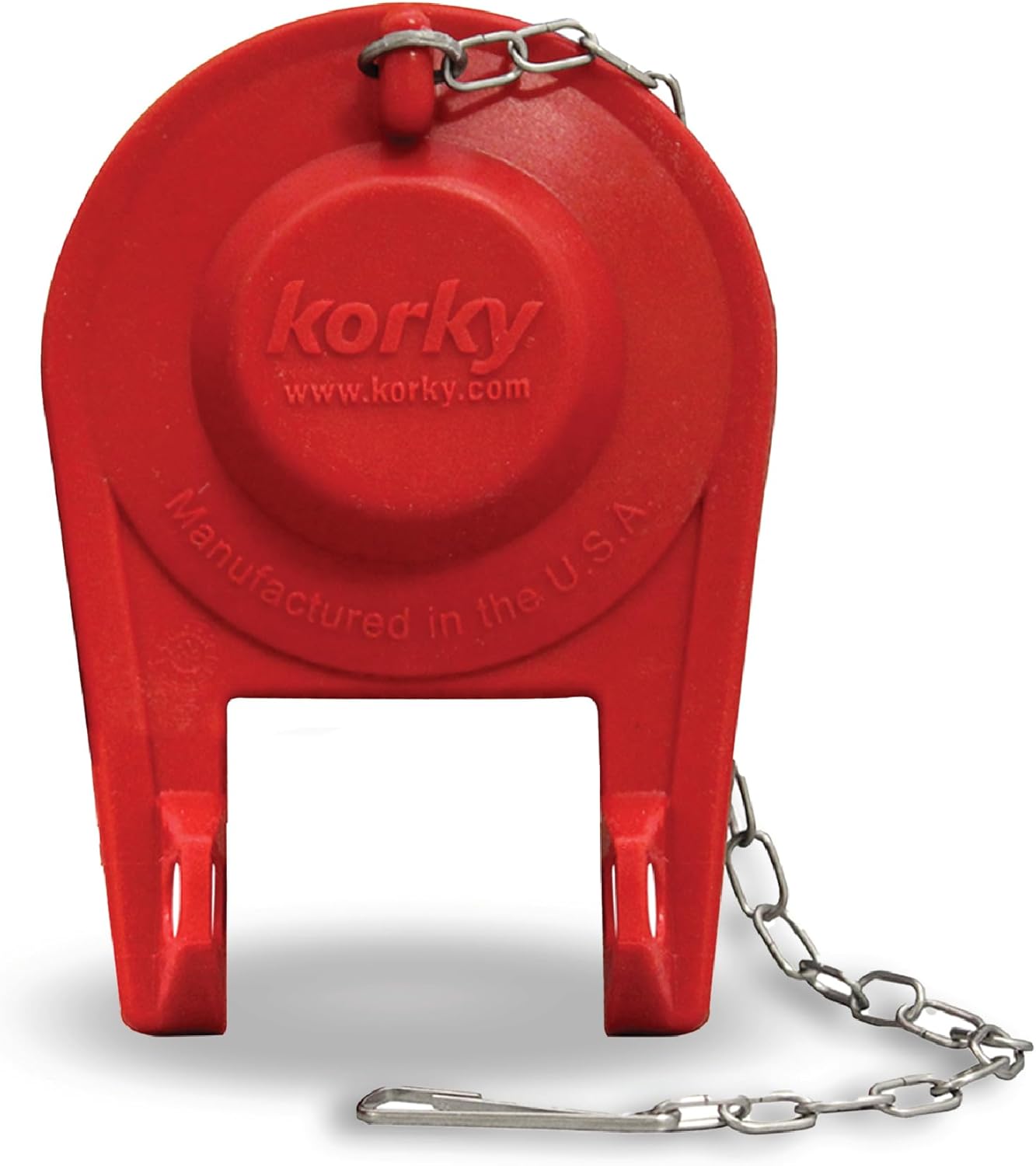
That subtle hiss, the inexplicable gurgle, or the maddening “phantom flush” that awakens you in the dead of night – these are all classic symptoms of a problem hiding in plain sight within your toilet’s tank. More often than not, the culprit is a worn-out or faulty toilet flapper. Not only is a constantly running toilet an annoyance, but it’s also a significant silent drain on your wallet, wasting hundreds, even thousands, of gallons of water per year. The good news? Replacing a toilet flapper is one of the most straightforward and empowering DIY plumbing fixes you can undertake. With a little guidance and the right tools, you can silence that leaky toilet, save water, and reclaim your peace of mind. As an industry authority, I’m here to walk you through every step of this essential home repair, transforming you from a perplexed homeowner to a confident plumbing pro.
Understanding Your Toilet’s Heartbeat: The Flapper’s Role
Before we dive into the nuts and bolts of replacing a toilet flapper, let’s briefly understand its crucial role. Inside your toilet tank, there’s a fascinating ballet of components working in harmony to ensure a proper flush. When you press the flush handle, a chain lifts the flapper (sometimes called a tank ball or seal). This flapper, typically made of rubber or a similar flexible material, normally sits snugly over the flush valve opening at the bottom of the tank. When lifted, it allows water to rush from the tank into the bowl, initiating the flush.
Once the tank empties sufficiently, the flapper falls back into place, sealing the flush valve opening. Simultaneously, the fill valve begins refilling the tank to its operational level, ready for the next flush. If the flapper fails to create a perfect seal – due to wear, deterioration, or mineral buildup – water will continuously seep from the tank into the bowl. This constant leak is what triggers the fill valve to periodically activate and “phantom flush” to replenish the tank, resulting in wasted water and that annoying running sound.
Why Do Flappers Fail?
- Age and Wear: Over time, the rubber material naturally degrades, becoming brittle, stiff, or pitted.
- Chemical Damage: Drop-in toilet bowl cleaners containing harsh chemicals can corrode the rubber, leading to premature failure.
- Mineral Deposits: Hard water can cause calcium and lime buildup on the flapper or the flush valve seat, preventing a tight seal.
- Improper Fit: Using the wrong size or type of flapper for your toilet model can lead to an ineffective seal from day one.
- Chain Issues: A chain that’s too short or tangled can hold the flapper slightly open, causing a continuous leak.
Recognizing these signs and understanding the flapper’s function is the first step towards effectively addressing the problem.
Gearing Up: Tools and Materials for Replacing a Toilet Flapper
One of the beauties of this DIY project is how few specialized tools it requires. Most of what you need you probably already have lying around your home. However, ensuring you have the right flapper for your specific toilet is the most critical preparatory step. Don’t assume all flappers are universal; while many are, some toilets require specific designs.
Before heading to the hardware store, open your toilet tank and identify your current flapper. Observe its size (diameter), how it attaches to the overflow pipe (are there “ears” that slip onto posts, or is it a ring that slides down?), and the length/style of its chain. Take a picture with your phone for easy reference. Most flappers are either 2-inch or 3-inch, referring to the diameter of the flush valve opening they seal.
Required Tools & Materials:
| Item | Purpose | Notes |
|---|---|---|
| New Toilet Flapper | The core replacement part to stop leaks. | Match the size (2″ or 3″) and attachment style. Choose a reputable brand. |
| Sponge or Old Towels | To soak up residual water in the tank. | Any absorbent material works. |
| Small Bucket | To catch drips or for cleaning. | Optional but helpful. |
| Gloves (Rubber or Nitrile) | For hygiene and comfort. | Recommended. |
| Wire Brush or Scrub Pad | To clean the flush valve seat. | Removes mineral deposits. |
| Adjustable Wrench | For supply line issues. | Rarely needed. |
| Pliers | To unhook/rehook chain. | Needle-nose works best. |
The Step-by-Step Process: Replacing a Toilet Flapper Like a Pro
With your tools and materials ready, follow these steps meticulously.
Step 1: Safety First – Shutting Off the Water Supply
- Locate the Shut-Off Valve: Turn it clockwise until water stops.
- Flush the Toilet: Drain the tank completely.
- Sponge Out Residual Water: Remove remaining water for a cleaner workspace.
Pro Tip: Take a photo of the tank before removing anything.
Step 2: Detaching the Old Flapper
- Unhook the Flapper Chain from the flush lever arm.
- Remove the Flapper from the Overflow Tube:
- Ears/Hinges: Slide off the posts.
- Ring Attachment: Slide the ring upward and off.
Inspect the old flapper for wear or buildup.
Step 3: Preparing for the New Flapper
- Scrub the Flush Valve Seat thoroughly.
- Inspect the Overflow Tube for cracks.
A clean valve seat is critical for preventing leaks.
Step 4: Installing Your New Toilet Flapper
- Attach the New Flapper using the same method as removal.
- Connect the Flapper Chain.
- Adjust Chain Length:
- Too tight → leak.
- Too loose → weak flush.
- Ideal slack: 1/2 to 1 inch.
Step 5: Restoring Water and Testing the Flush
- Turn water back on.
- Check for leaks.
- Perform multiple test flushes.
- Optional Dye Test: Add food coloring to tank; check bowl after 15–20 minutes.
Troubleshooting Common Issues
Issue 1: Toilet Still Running
- Chain too tight
- Dirty valve seat
- Wrong flapper size
- Faulty fill valve
Issue 2: Weak or Incomplete Flush
- Chain too loose
- Flapper not lifting fully
- Water level too low
Issue 3: Water Level Too High or Low
Adjust the fill valve float to correct water level.
Frequently Asked Questions
How do I know if I have a 2-inch or 3-inch flapper?
Measure the flush valve opening. Take your old flapper to the store if unsure.
Can I use a universal flapper?
Yes, but specialized toilets may require brand-specific flappers.
How long do flappers last?
Typically 3–7 years, shorter with hard water or chemical cleaners.
Why is my toilet still running after replacement?
- Chain too tight
- Dirty valve seat
- Faulty fill valve
Conclusion
Congratulations! You’ve mastered replacing a toilet flapper — a simple, cost-effective repair that saves water, money, and frustration. Regular maintenance prevents bigger plumbing issues, and now you’re equipped to tackle them with confidence.
