
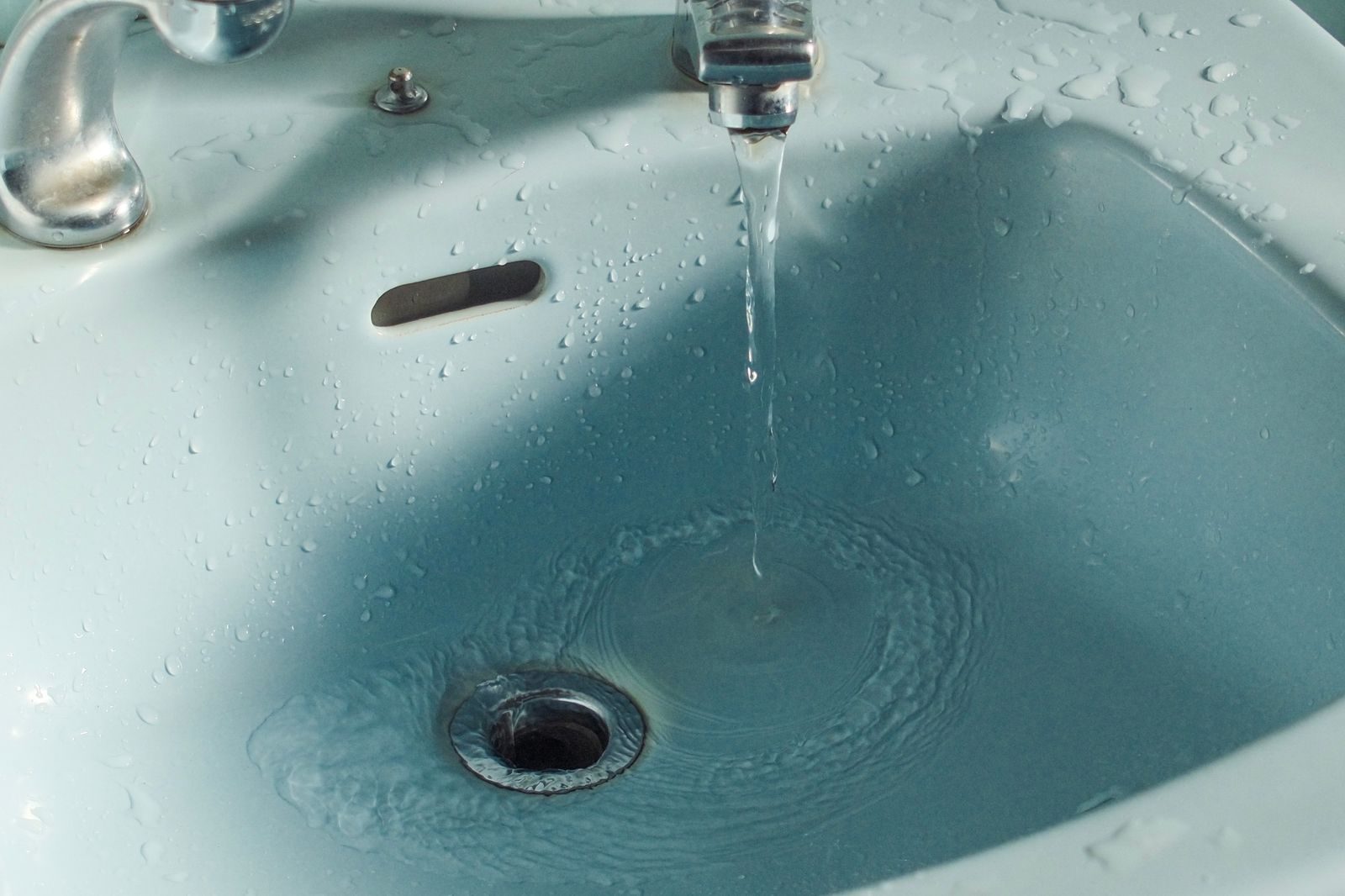
There’s a universally frustrating sound that signals trouble in the sanctuary of your bathroom: the sluggish gurgle of water refusing to vanish down the drain. A slow-draining bathroom sink isn’t just an annoyance; it’s a breeding ground for bacteria, a testament to neglect, and a clear signal that a blockage is lurking beneath. But before you reach for the phone to call a plumber, know this: you have the power to fix it. As an expert in the construction trades and a seasoned DIY guide, I’m here to equip you with the knowledge, tools, and confidence to tackle this common household issue head-on. This comprehensive guide will walk you through every effective method for unclogging a slow bathroom sink drain, from the simplest tricks to more involved mechanical solutions, ensuring your sink returns to its free-flowing glory.
Understanding the Enemy: Why Your Bathroom Sink is Slow
Before we jump into solutions, it’s helpful to understand what causes a bathroom sink to drain slowly in the first place. Unlike kitchen sinks, which often suffer from grease buildup and food particles, bathroom sinks have their own unique culprits. The vast majority of slow bathroom sink drains are caused by a combination of:
-
- Hair: The undisputed champion of bathroom drain clogs. Strands of hair easily catch on the rough interior of pipes or the crossbars of the stopper assembly.
-
- Soap Scum: A sticky residue formed by the reaction of soap with hard water minerals. This film adheres to pipes and traps, providing a perfect anchor for hair and other debris.
-
- Toothpaste: While seemingly benign, toothpaste can build up over time, especially when mixed with hair and soap scum, creating a tenacious, sticky blockage.
-
- Skin Flakes/Dead Skin Cells: Though small, these contribute to the organic matter that hair and soap scum love to bind with.
-
- Cosmetic Products: Oils, lotions, and other beauty products can thicken and solidify in the drain, contributing to the overall gunk.
Understanding these primary offenders helps you not only clear the current clog but also implement preventive measures to avoid future slowdowns.
Before You Dive In: Safety and Preparation
Every DIY project, no matter how small, begins with safety and proper preparation. Taking a few moments now can save you a lot of hassle and potential hazards later.
Materials and Tools for Preparation:
-
- Rubber or Nitrile Gloves (essential for hygiene and protection)
-
- Old Towels or Rags (to protect surfaces and clean up spills)
-
- Bucket (for catching water and debris)
-
- Safety Glasses (especially when working with chemicals or under the sink)
-
- Flashlight (for better visibility under the sink)
Preparation Steps:
-
- Clear the Area: Remove everything from under the sink and around the basin. This gives you ample space to work and prevents damage to toiletries or other items.
-
- Protect Surfaces: Lay down old towels or rags around the sink and under the cabinet. This will absorb any spilled water or gunk and protect your flooring and cabinet finish.
-
- Gloves and Glasses On: Always wear gloves. If you suspect you might use chemicals or are working in tight spaces where splashing could occur, put on safety glasses.
-
- Locate the Water Shut-Off: While not strictly necessary for every method, knowing where your sink’s water shut-off valves are (typically two knobs under the sink) is good practice. Turn them off if you plan to disassemble any plumbing.
The First Line of Defense: Simple, Non-Invasive Methods for Unclogging a Slow Bathroom Sink Drain
Often, a slow drain can be remedied with common household items and a bit of elbow grease. These methods are the least invasive and should always be your first approach.
1. The Hot Water Flush
Sometimes, all a minor clog needs is a good rinse with hot water to loosen it up and push it through. This is most effective for soap scum or greasy residue that hasn’t fully solidified.
Materials and Tools:
-
- Kettle or large pot (for heating water)
How to do it:
-
- Boil a kettle full of water.
-
- If your sink has standing water, carefully bail out as much as you can.
-
- Slowly pour the hot (not boiling, as boiling water can damage PVC pipes) water directly down the drain in stages. Pour a third, wait a few minutes, then pour more.
-
- Listen for gurgling and check if the water starts to drain faster.
-
- Repeat a few times.
Important Note: This method is generally safe for most pipes, but avoid using boiling water on PVC pipes directly, as extreme heat can soften or warp them. Very hot tap water is usually sufficient. If you have older porcelain sinks, ensure they can handle the heat without cracking.
2. Baking Soda and Vinegar Volcanic Eruption
This classic DIY method uses a natural chemical reaction to break down clogs. It’s safe for pipes and the environment, making it a popular choice.
Materials and Tools:
-
- 1/2 cup Baking Soda
-
- 1/2 cup White Vinegar
-
- Measuring cups
-
- Sink stopper or a rag
How to do it:
-
- Remove any standing water from the sink basin.
-
- Pour 1/2 cup of baking soda directly down the drain. Try to get as much of it into the drain opening as possible.
-
- Follow immediately with 1/2 cup of white vinegar.
-
- Quickly cover the drain opening with a stopper or a wet rag to contain the chemical reaction and force it downwards into the pipes.
-
- You’ll hear fizzing and bubbling—this is the acetic acid in the vinegar reacting with the baking soda to create carbon dioxide gas, which helps dislodge the clog.
-
- Let it sit for 30 minutes to an hour (or even overnight for stubborn clogs).
-
- After waiting, flush the drain with hot tap water (or a kettle of hot water, as described above).
Pro Tip: For extremely slow drains, follow the baking soda and vinegar with another round of hot water after an hour, then repeat the baking soda/vinegar if necessary.
3. The Plunger Playbook
A trusty plunger is an invaluable tool for creating hydrostatic pressure to push or pull clogs free. For bathroom sinks, a cup-style plunger is usually most effective.
Materials and Tools:
-
- Cup-style plunger (specifically for sinks, smaller than a toilet plunger)
-
- Old rag or towel
-
- Petroleum jelly (optional, to improve seal)
How to do it:
-
- Remove the sink stopper. If it’s a pop-up stopper, you might need to unscrew it or disconnect it from the lift rod under the sink (we’ll cover this more in the P-trap section).
-
- Fill the sink with enough water to cover the rubber rim of the plunger. This is crucial for creating a good seal.
-
- Place the plunger over the drain opening, ensuring a tight seal. For a better seal, you can apply a thin layer of petroleum jelly to the plunger’s rim.
-
- Block the overflow drain hole (usually a small hole near the top of the sink basin) with a wet rag or your hand. This prevents air from escaping and ensures maximum pressure.
-
- Pump the plunger vigorously up and down 10-15 times, maintaining the seal.
-
- On the last pump, pull the plunger up sharply to break the seal.
-
- Observe if the water drains. If not, repeat the process several times.
Safety First: Never use a plunger after pouring chemical drain cleaners down the drain. The splashing of chemicals can be extremely dangerous.
Stepping Up Your Game: Mechanical and Chemical Approaches for Unclogging a Slow Bathroom Sink Drain
If the simpler methods haven’t cleared the blockage, it’s time to get a bit more hands-on. These approaches tackle more stubborn clogs directly.
4. Conquering Clogs with a Drain Snake (Hand Auger)
A drain snake (or hand auger) is a flexible coil of wire with a corkscrew tip that can be fed into the drain to grab or break up clogs. This is often the most effective method for hair-related clogs.
Materials and Tools:
-
- Small hand auger/drain snake (typically 1/4-inch thick, 15-25 feet long)
-
- Rubber or Nitrile Gloves
-
- Old Towels/Rags
-
- Bucket
-
- Adjustable Wrench or Slip-Joint Pliers (if removing the P-trap for access)
How to do it:
-
- Gain Access:
-
- Through the Drain Opening: Remove the pop-up stopper assembly. This usually involves unscrewing the pivot nut under the sink that holds the horizontal pivot rod. Once disconnected, the stopper can be pulled out from above. Clean any hair off the stopper itself.
-
- Through the P-Trap (Recommended for deeper clogs): This provides a more direct and cleaner path into the main drainpipe. See the next section for detailed instructions on removing the P-trap.
-
- Gain Access:
-
- Insert the Snake:
-
- Feed the end of the snake into the drain opening or the P-trap opening.
-
- Slowly push the snake forward, turning the handle clockwise to help it navigate bends in the pipe and grab onto the clog.
-
- Do not force the snake. If you encounter resistance, gently pull back slightly, rotate, and push again.
-
- Insert the Snake:
-
- Engage the Clog:
-
- When you feel resistance that indicates a clog, continue to push and rotate the snake. The corkscrew tip will either break up the clog or entangle it.
-
- Once you feel the clog is caught or broken, carefully pull the snake back out, continuing to rotate the handle.
-
- Engage the Clog:
-
- Remove the Clog:
-
- As you pull the snake out, you’ll likely retrieve a disgusting mass of hair, soap scum, and other debris. Have your bucket and towels ready.
-
- Clean the snake thoroughly.
-
- Remove the Clog:
-
- Flush and Test:
-
- Once the clog is removed, reassemble any parts you took off (stopper, P-trap).
-
- Run hot water down the drain for several minutes to flush away any remaining debris.
-
- Check the drainage speed. If it’s still slow, the clog might be deeper, or you didn’t get all of it. Repeat the snaking process or consider professional help.
-
- Flush and Test:
Expert Insight: Snaking directly from the P-trap opening is often preferred as it bypasses the narrower parts of the sink’s drain assembly and offers a straighter shot at the main drain line where deeper clogs typically reside.
5. The P-Trap Purge: Going Under the Sink
The P-trap is the U-shaped pipe directly under your sink. Its purpose is to hold a small amount of water to prevent sewer gases from entering your home. However, it’s also a prime location for clogs to accumulate, especially hair and heavy debris.
Materials and Tools:
-
- Bucket (essential for catching water)
-
- Adjustable wrench or slip-joint pliers (for loosening slip nuts)
-
- Rubber or Nitrile Gloves
-
- Old Towels/Rags
-
- Old toothbrush, pipe cleaner, or wire hanger (for cleaning the trap)
-
- Safety Glasses (optional, but recommended)
How to do it:
-
- Preparation:
-
- Turn off the water supply to the sink (if you haven’t already).
-
- Place your bucket directly under the P-trap.
-
- Spread towels on the cabinet floor and around the work area.
-
- Preparation:
-
- Disassemble the P-Trap:
-
- The P-trap is typically held in place by two large slip nuts – one connecting it to the tailpiece (coming down from the sink drain) and another connecting it to the drainpipe extending into the wall.
-
- Using your wrench or pliers, carefully loosen these slip nuts. They usually don’t need to be overly tight, so don’t overtighten when reassembling.
-
- Once both nuts are loose, gently pull the P-trap downwards and off the pipes. Be prepared for a rush of water and gunk into your bucket.
-
- Disassemble the P-Trap:
-
- Clean the P-Trap:
-
- Inspect the inside of the P-trap. You’ll likely find the culprit (hair, soap scum, etc.) right there.
-
- Use your gloved hands, an old toothbrush, pipe cleaner, or even a straightened wire hanger to scrape and pull out all the accumulated gunk from inside the trap.
-
- Thoroughly rinse the P-trap with hot water in a utility sink or outside with a hose until it’s completely clear.
-
- Clean the P-Trap:
-
- Check the Pipes:
-
- While the P-trap is off, use a flashlight to look up into the tailpiece (the vertical pipe coming down from the sink) and into the horizontal drainpipe leading into the wall.
-
- If you see visible clogs, you can use a small brush or the drain snake (as described above) to clean these sections.
-
- Check the Pipes:
-
- Reassemble the P-Trap:
-
- Carefully place the P-trap back into position, ensuring the slip nuts and washers are correctly aligned.
-
- Hand-tighten the slip nuts first, then use your wrench or pliers to snug them up a quarter to half turn. Do not overtighten, as this can crack plastic pipes or strip threads.
-
- Turn the water supply back on.
-
- Reassemble the P-Trap:
-
- Test for Leaks and Drainage:
-
- Run water into the sink and watch closely for any leaks around the slip nuts. If you see a drip, gently tighten the nut a little more.
-
- Observe the drainage speed. It should be significantly faster.
-
- Test for Leaks and Drainage:
P-Trap Table of Components:
| Component | Function | Common Material |
|---|---|---|
| Tailpiece | Connects sink drain to P-trap | PVC, Brass, Chrome |
| Slip Nuts | Secure P-trap connections | Plastic, Brass |
| Washers/Gaskets | Create watertight seal | Rubber, Plastic |
| P-Trap Body | Holds water, traps debris | PVC, Brass, Chrome |
| Wall Stub-Out | Connects P-trap to main drainpipe | PVC, Copper, Cast Iron |
6. Chemical Drain Cleaners: A Word of Caution
Chemical drain cleaners are often marketed as a quick fix, but they come with significant drawbacks and risks. They should always be considered a last resort for unclogging a slow bathroom sink drain and used with extreme caution.
Materials and Tools:
-
- Chemical drain cleaner (liquid or gel, specifically labeled for bathroom sinks)
-
- Heavy-duty Rubber or Nitrile Gloves (longer cuff preferred)
-
- Safety Glasses
-
- Mask or good ventilation
-
- Old Towels
Warnings and Considerations:
-
- Safety First: These products contain harsh chemicals (like lye, sulfuric acid, or bleach). They can cause severe burns to skin and eyes, and their fumes can be harmful if inhaled. Always read and follow the manufacturer’s instructions *exactly*.
-
- Pipe Damage: Overuse or leaving chemicals in pipes for too long can corrode or damage certain pipe materials, especially older, weaker pipes or plastic (PVC) if they get too hot.
-
- Environmental Impact: The chemicals eventually enter the wastewater system, posing environmental concerns.
-
- Ineffectiveness: For severe hair clogs, chemicals often just create a slimy, gunky mass that’s even harder to remove mechanically.
-
- Never Mix: NEVER mix different chemical drain cleaners or use them after applying baking soda/vinegar. This can create dangerous chemical reactions and release toxic fumes.
How to (cautiously) use them:
-
- Ensure the area is well-ventilated (open windows, turn on the exhaust fan).
-
- Don your heavy-duty gloves and safety glasses.
-
- Carefully pour the recommended amount of cleaner directly into the drain. Avoid splashing.
-
- Allow it to sit for the exact time specified by the manufacturer. Do not exceed this time.
-
- Flush thoroughly with cold water (as specified by the product, some recommend hot, some cold).
-
- If the drain is still slow, do not immediately repeat with more chemicals or try another product. At this point, mechanical methods are safer and more effective. Consider calling a professional.
Expert Advice: Whenever possible, opt for mechanical methods (snaking, P-trap cleaning) over chemical drain cleaners. They are safer, more effective for common bathroom sink clogs, and better for your plumbing system in the long run.
Prevention is Key: Keeping Your Bathroom Sink Drains Clear
An ounce of prevention is worth a pound of cure. Once you’ve successfully cleared your slow bathroom sink drain, implement these simple habits to keep it flowing freely.
-
- Install a Drain Screen/Hair Catcher: These inexpensive devices sit over the drain opening and catch hair and larger debris before it enters the pipes. Clean them out after every use.
-
- Flush with Hot Water Regularly: After brushing your teeth or washing your face, run hot water for 30-60 seconds to flush down any lingering soap scum or toothpaste.
-
- Weekly Baking Soda Flush: Once a week, pour 1/2 cup of baking soda down the drain, followed by hot water (no vinegar necessary for maintenance). This helps keep things fresh and clear.
-
- Avoid Pouring Grease/Oils: While less common in bathrooms, any oils or greasy substances can solidify and contribute to clogs.
-
- Proper Waste Disposal: Don’t flush anything down the sink that isn’t water-soluble. Dispose of hair, cotton swabs, and dental floss in the trash can.
-
- Periodic P-Trap Checks: Every 6-12 months, consider doing a quick P-trap inspection and cleaning, especially if you have long-haired individuals in the household.
Conclusion
A slow bathroom sink drain is a common and often frustrating problem, but as you’ve learned, it’s far from insurmountable. By systematically working through the methods outlined in this guide—from the simple hot water flush and baking soda/vinegar solution to the more involved drain snaking and P-trap cleaning—you can confidently tackle most blockages. Remember to always prioritize safety, prepare your workspace, and understand the nature of the clog you’re fighting. With a little patience and the right approach, you can restore your sink’s flow and enjoy a cleaner, more functional bathroom. Taking proactive steps to prevent clogs will also save you time and effort in the future, making you a true master of your home’s plumbing. Embrace the satisfaction of a job well done, and keep those drains flowing freely!
FAQs: Unclogging a Slow Bathroom Sink Drain
Q1: How often should I clean my bathroom sink drain?
A1: For preventative maintenance, a weekly flush with hot water is recommended. A baking soda and vinegar treatment can be done monthly or bi-monthly. If you notice persistent slowness, you might need to mechanically clean the drain (snake or P-trap) every 6-12 months, or more frequently in households with long hair.
Q2: Can I use a toilet plunger for a bathroom sink?
A2: While you *can* in a pinch, it’s not ideal. Toilet plungers have a flange designed to seal against the curved surface of a toilet bowl. A flat-bottomed cup plunger creates a much better seal on the flat surface of a sink drain, making it more effective. Using a toilet plunger in a sink also has hygiene implications.
Q3: What if I’ve tried everything and my drain is still slow?
A3: If all DIY methods fail, the clog might be deeper in your main drain lines or might be something more complex, like a compromised pipe or a vent issue. At this point, it’s best to call a professional plumber. They have specialized tools (like professional drain augers, hydro-jetters, and video inspection cameras) to diagnose and fix more severe problems.
Q4: Are “drain cleaning crystals” safe for my pipes?
A4: Drain cleaning crystals typically contain highly corrosive chemicals (like lye) that generate significant heat when mixed with water. While effective at dissolving certain organic matter, they pose a higher risk of pipe damage, especially to older or PVC pipes. They are also extremely dangerous to handle. Generally, liquid/gel chemical cleaners are slightly less aggressive, but all chemical cleaners should be used with extreme caution and as a last resort.
Q5: My sink drains slowly, but sometimes it makes gurgling noises. What does that mean?
A5: Gurgling noises often indicate a partial blockage that’s restricting airflow and causing air pockets to form and collapse as water passes. It can also be a sign of a venting issue in your plumbing system. While a clog is the most likely culprit for a slow drain, persistent gurgling even after clearing suggests you might need a plumber to check your vent pipes.
